Paul Bastard on looking at cancer through the lens of autoimmunity
Paul Bastard on looking at cancer through the lens of autoimmunity
Why do some people develop cancer while others with similar genetic, environmental or lifestyle risk factors do not? That is the central question driving team ATLAS, an international Cancer Grand Challenges team seeking to uncover the biological mechanisms that may naturally protect some individuals from cancer. As detailed in a perspective published today in Cell, the team will investigate whether naturally occurring antibodies and other immune mechanisms could help explain cancer avoidance. The approach builds on discoveries made by members of team ATLAS during the COVID-19 pandemic, when researchers including Paul Bastard and Jean-Laurent Casanova identified naturally occurring autoantibodies associated with severe COVID-19, helping explain why some people became critically ill while others experienced mild disease.
To support this team, the Breast Cancer Research Foundation and the Susan Wojcicki Foundation have joined Cancer Research UK and the Torrey Coast Foundation as funding partners of team ATLAS through Cancer Grand Challenges. Together, these organisations bring complementary perspectives spanning breast cancer, lung cancer, gastroesophageal cancer, prevention, early detection and patient impact.
For decades, cancer research has focused on understanding why cancer develops. Team ATLAS is turning that question on its head by asking why some people appear naturally protected from the disease, despite having many of the same risk factors as those who develop cancer.
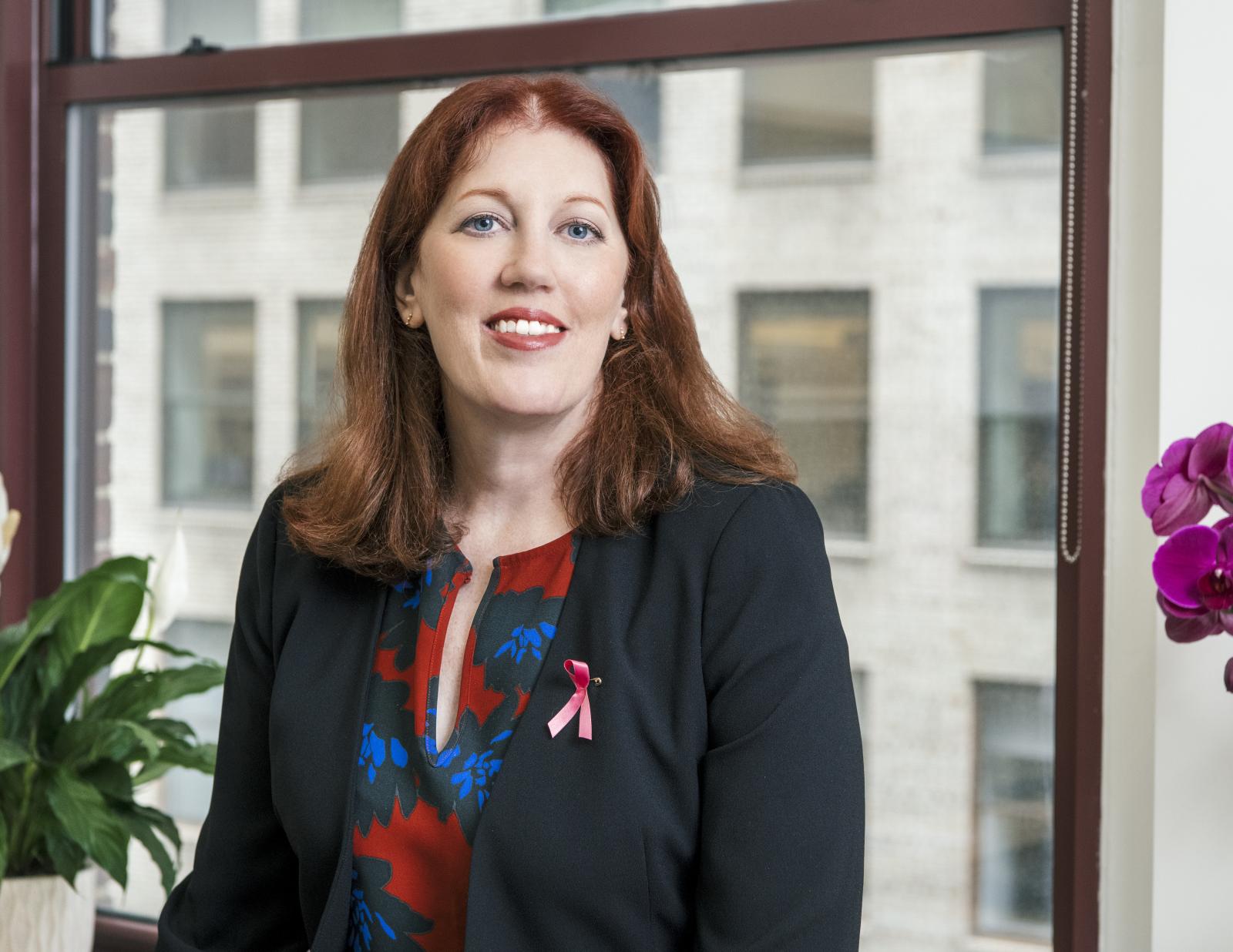
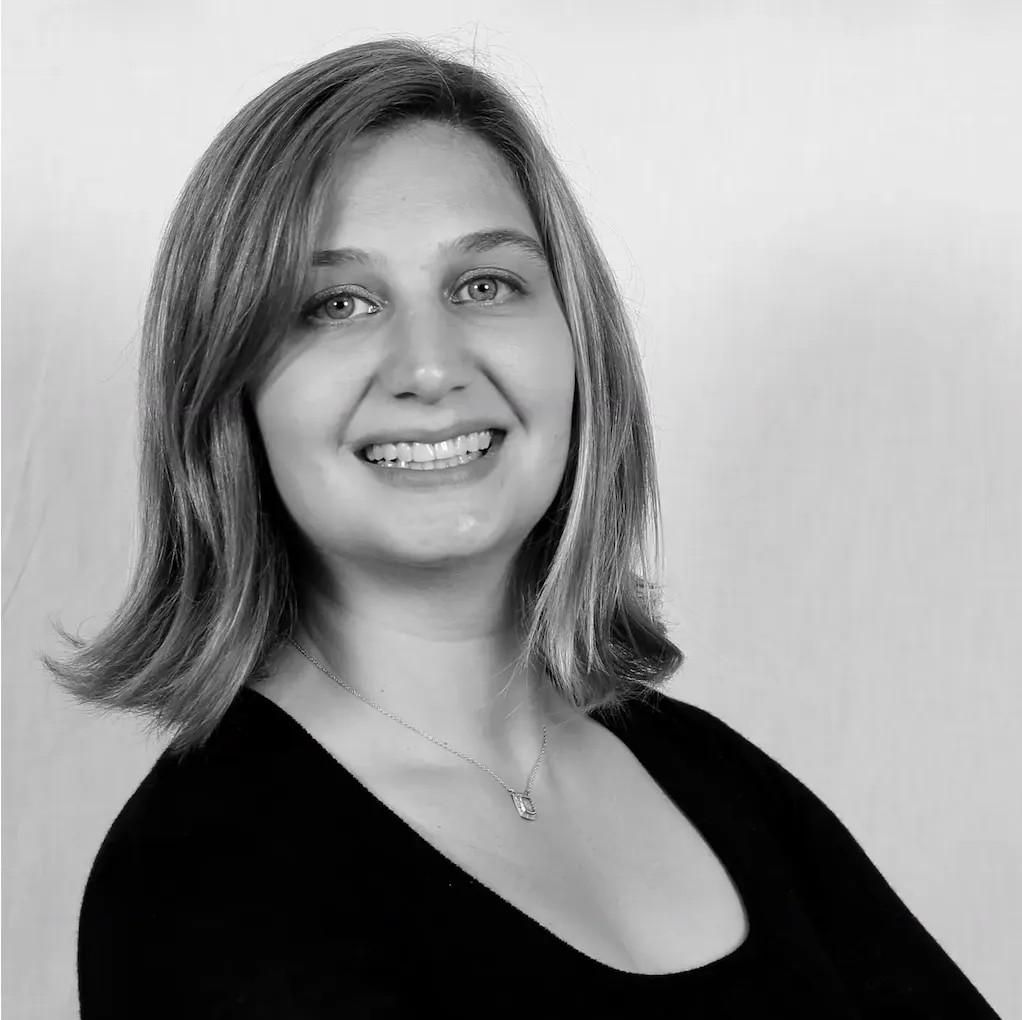
By studying people who have remained cancer-free despite inherited genetic risk, significant environmental exposures or advanced age, the team hopes to identify biological mechanisms that protect against cancer. This includes studying the antibody responses of centenarians, twins where one developed cancer and the other didn’t, as well as patients before, during and after immunotherapy. For the Breast Cancer Research Foundation, this question is particularly compelling. As Dorraya El-Ashry, PhD, Chief Scientific Officer of the Breast Cancer Research Foundation, explains: “What is most exciting about ATLAS is that it shifts the question from why do people develop cancer? to why do some people remain cancer-free despite age, inherited risk, environmental exposures, or other known risk factors? For breast cancer, that question is especially powerful.” The team’s approach is also especially interesting for lung cancer, where risk factors are well understood but outcomes can differ dramatically between individuals. Nadia Litterman, Executive Director of the Susan Wojcicki Foundation, said: "We know smoking history is an important risk factor for lung cancer, but it's not the whole story. Team ATLAS is investigating a fascinating mystery: why many people who have smoked never develop lung cancer.”
Team ATLAS has researchers from leading institutions across France, Sweden, Switzerland, Denmark, the UK and the US are combining expertise and technologies to build a comprehensive map of human antibody responses. David Scott, Director, Cancer Grand Challenges, emphasises "Answering a question this complex demands experts across immunology, epidemiology, ageing and cancer, working as one team across institutions and borders. We're hugely grateful to team ATLAS' funding partners, whose support makes this possible. Though their focus differs across breast, lung and gastroesophageal cancer, they share one ambition: to understand why some people avoid cancer, and turn that into benefits for patients.”
The Breast Cancer Research Foundation and the Susan Wojcicki Foundation joined the coalition of partners supporting team ATLAS because of the opportunity to contribute to an international effort tackling a question that spans cancer types, disciplines and populations. As El-Ashry notes: “The question of cancer avoidance is too complex for any one lab, institution, or disease area to answer alone. Cancer Grand Challenges provides the scale, global collaboration, and cross-disciplinary expertise needed to tackle a question this fundamental.” For the Susan Wojcicki Foundation, the work also aligns closely with its focus on earlier intervention and improving understanding of lung cancer risk. Litterman explains “Misunderstanding risk, deep stigma, and outdated assumptions are leaving too many people diagnosed with lung cancer only after it has already progressed to late stages, when choices are narrow and outcomes are far worse.”
While each funding partner brings distinct perspectives, they are united by a common ambition: to understand why some people avoid cancer and to translate those discoveries into benefits for patients. Whether focused on breast cancer, lung cancer, or gastroesophageal cancer, all three funding partners share a belief in the value of bold, high-risk research and the importance of collaboration across disciplines, institutions and borders.
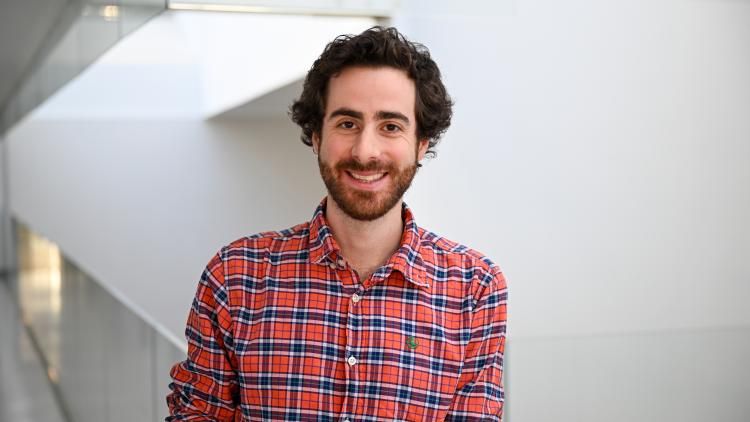
Over the coming years, the insights generated by team ATLAS could create new opportunities to prevent cancer, improve risk prediction, support earlier detection and inform the development of new therapies. As Paul Bastard, Team Lead of ATLAS, explains ”For the first time, we have the tools to look for the naturally occurring antibodies and autoantibodies that may be protecting some people from developing cancer. If we can uncover those natural protective mechanisms, we'll have an entirely new window into how the immune system interacts with cancer before the disease even begins.”
As team ATLAS begins its research, Cancer Research UK’s partnership with the Breast Cancer Research Foundation, the Susan Wojcicki Foundation and the Torrey Coast Foundation through Cancer Grand Challenges demonstrates what can be achieved when organisations come together around a shared mission: tackling some of cancer's toughest questions, together.
Article written by Louise Stack, with thanks to the Breast Cancer Research Foundation and the Susan Wojcicki Foundation.
Read the perspective in Cell.
To learn more about Cancer Grand Challenges’ coalition of funding partners, and how to join, see here: Partners and donors | Cancer Grand Challenges
Paul Bastard on looking at cancer through the lens of autoimmunity
Announcing the five new teams selected to take on five of cancer’s toughest challenges.