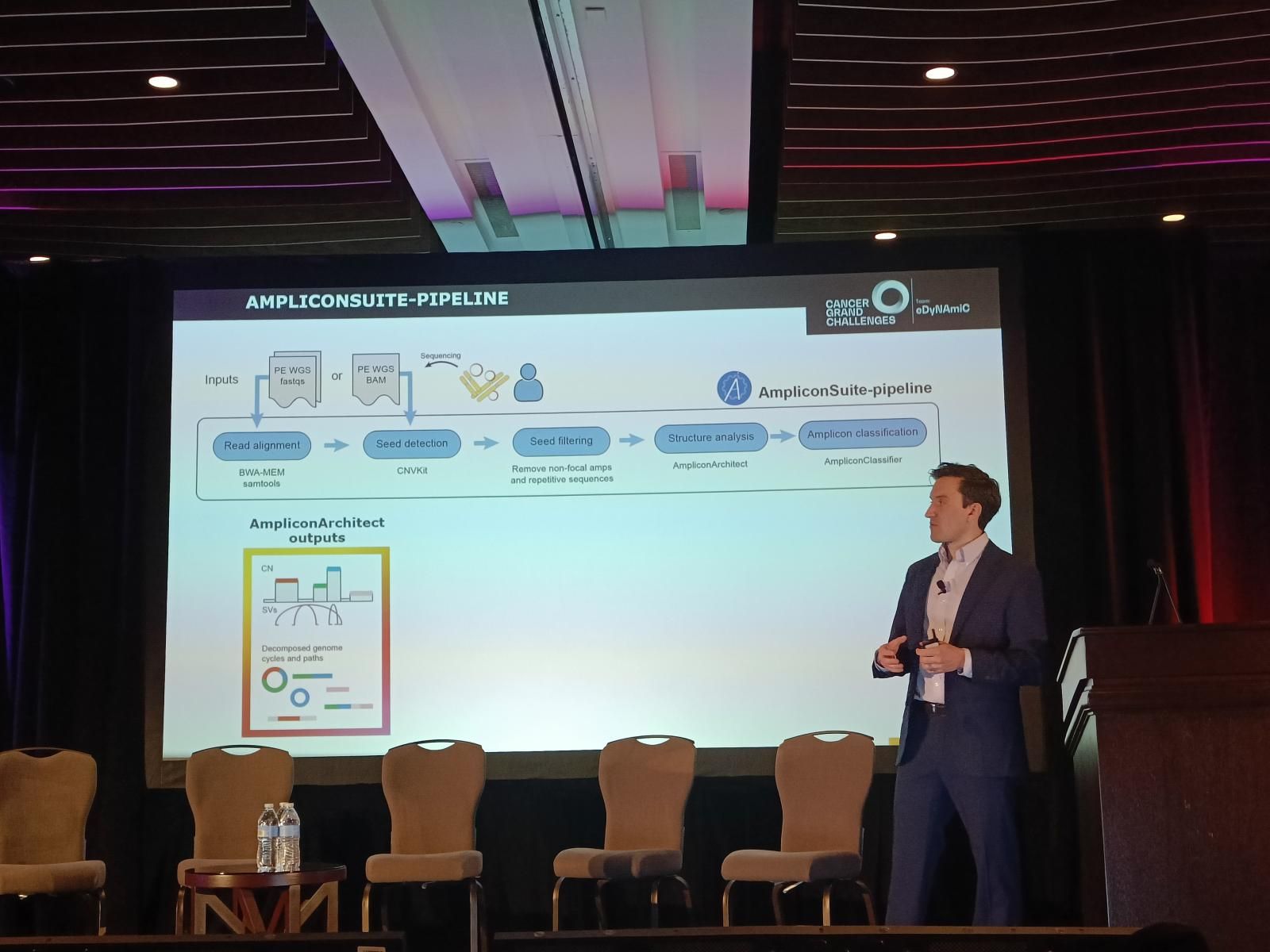
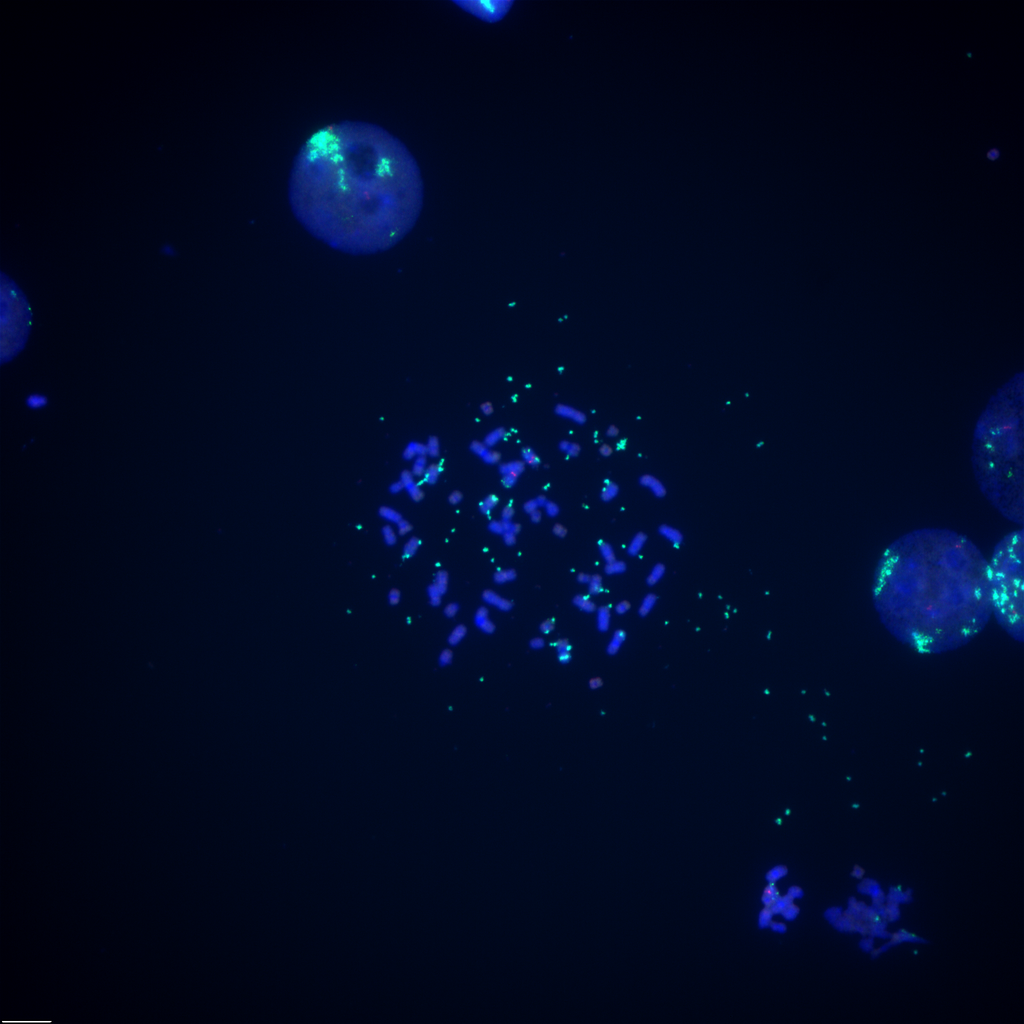
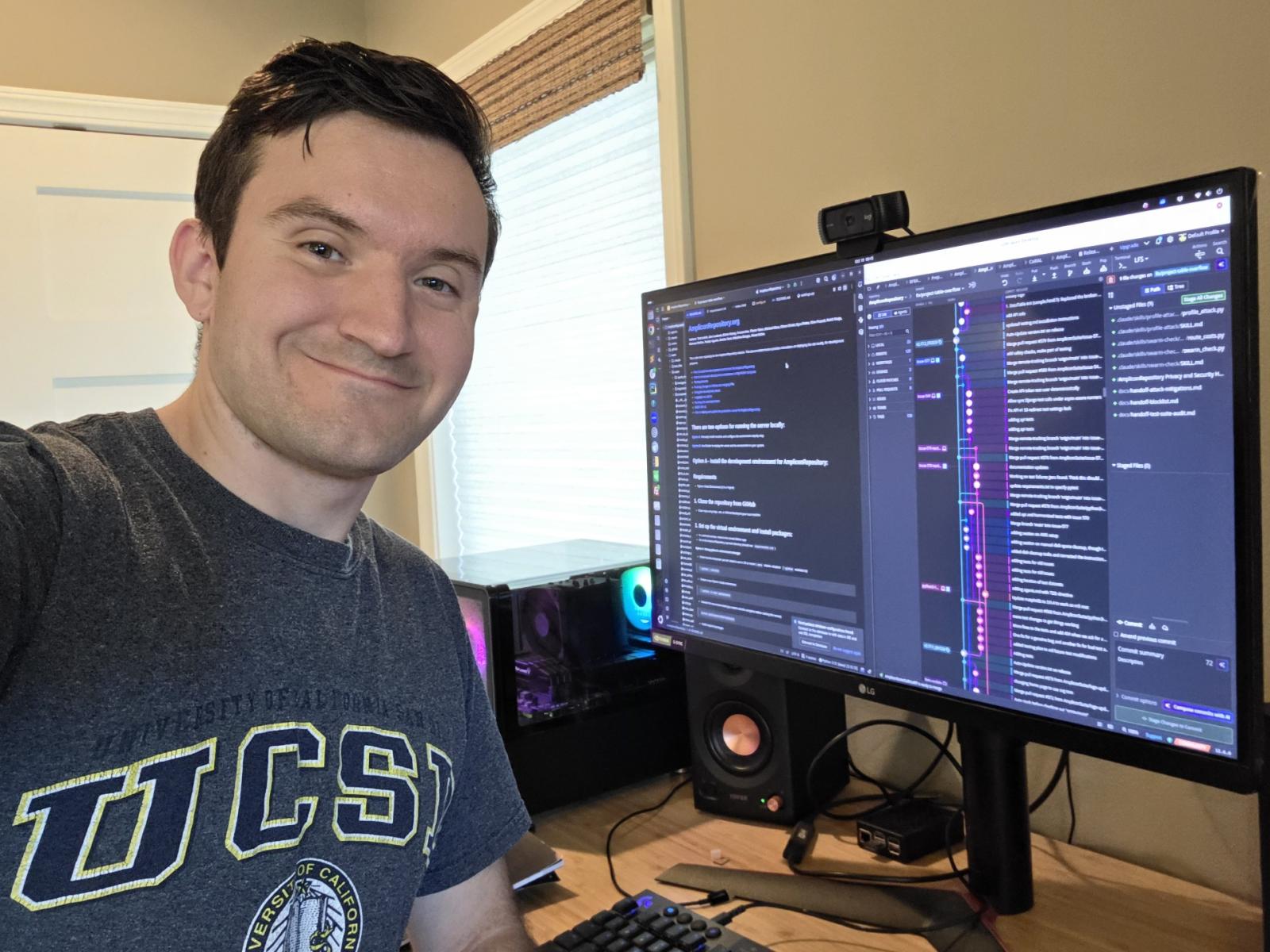
Infrastructure work rarely produces a headline finding on its own, but science doesn't work well when data and results stay siloed on individual servers. AmpliconRepository.org, is a collaboration between Jill Mesirov’s lab and Vineet Bafna’s lab, which Ted Liefeld, Edwin Huang and I have been developing since 2021. It now hosts ecDNA predictions from nearly 20,000 publicly available samples across 33 projects, drawn from sixteen distinct publications. Anyone can create a project, upload their own results, and query across everyone else's.
The site is built to support real analysis rather than just browsing. Users can search by sample name, project, gene, cancer type or amplicon class, combining terms with boolean operators, then download an entire matching collection to analyze themselves. Each sample comes with an interactive copy-number profile, the underlying genome reconstructions, and an embedded genome browser for inspecting the genes an amplicon carries. A co-amplification analysis tool lets users ask which genes travel together on ecDNA across whole cohorts. Projects are versioned and can be kept private while a study is still in progress, results can be uploaded by completing a simple web form, and retrieved from the command line, and the site now accepts long-read reconstructions alongside short-read ones.
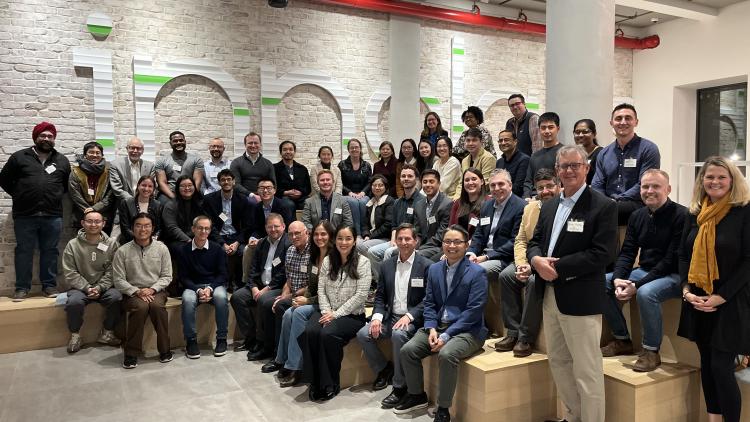
Much of what the site can do was inspired by the scientific questions asked by our team members in eDyNAmiC. Working within a large team means tool developers and the people using the tools are in direct contact, so a bottleneck someone hits in their own analysis becomes a feature request, then a release, becoming the edge that makes the next study possible. We have run that loop for years now: building something for a problem, watching how people actually use it, finding out what is missing, and refining. I don't think the tools would work as well as they do had they been designed at a distance from the biology they serve.